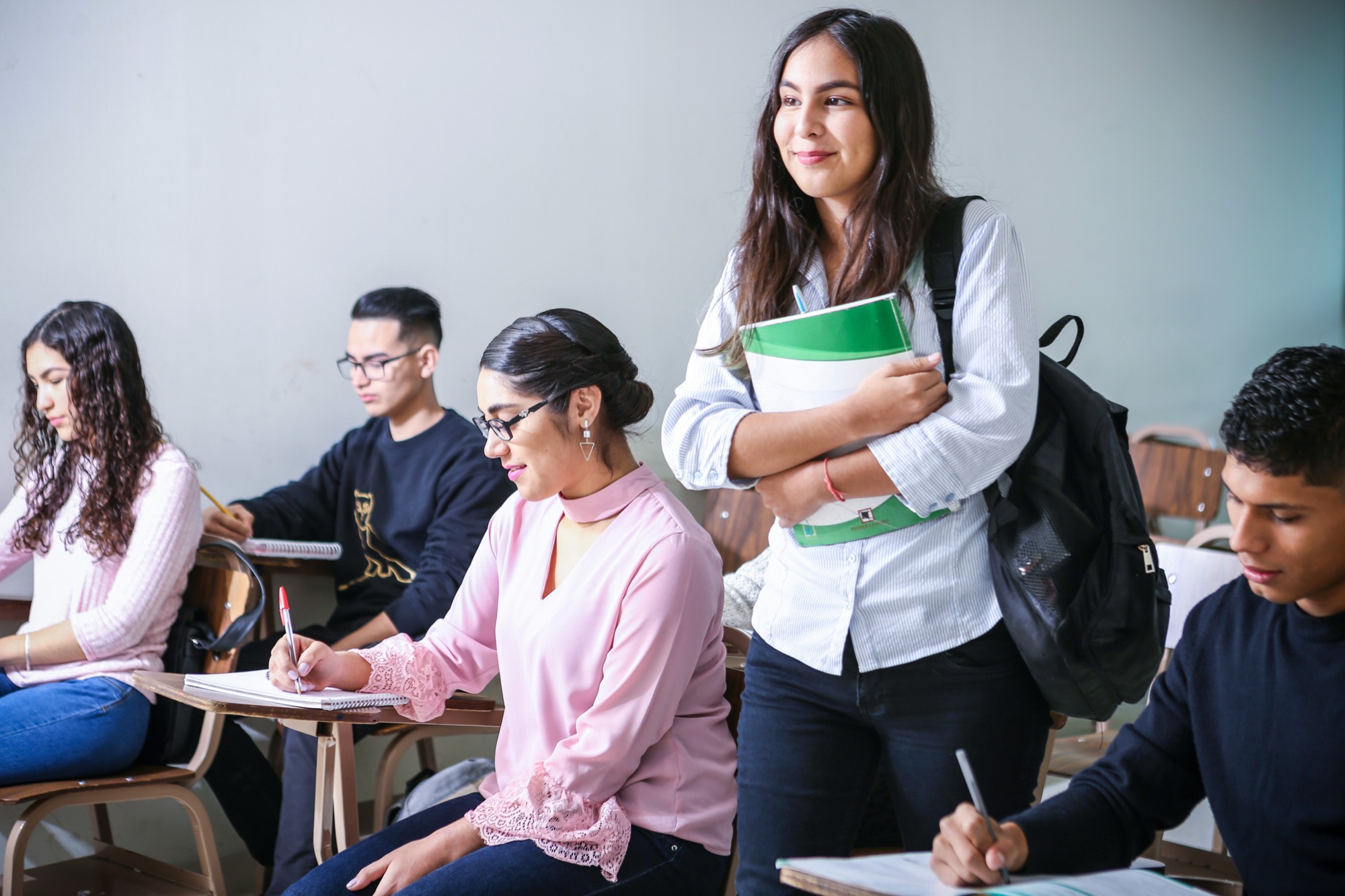
Real courses, not manual entry.
Students pull from actual school course data instead of rebuilding their week by hand from scattered registrar pages.
Education & campus community software
We build student-native software that makes college easier to navigate, trust, and belong to — starting with the academic week.
What we're doing
The Seans builds education and community software for the parts of college that fall between official systems — choosing classes, reading the campus, finding peer knowledge that's worth trusting, and feeling less alone inside a large university.
Why we started
Students assemble university life across calendars, the registrar, Canvas, Reddit, Discord, RateMyProfessors, group chats, and private notes. Each tool solves one slice — none of them make the whole experience feel like one thing.
We think the next student platform in the U.S. should pull that back together: school-verified, personally anonymous participation that makes campus easier to read and far less lonely.
First product
ClassMate turns the class schedule into a starting point — for course decisions, peer knowledge, and campus community.
ECON 1120 · Microeconomics
Main Campus · 9:05–9:55 AMStudents pull from actual school course data instead of rebuilding their week by hand from scattered registrar pages.
Add a section and the week reshapes itself — conflicts surface, the plan gets clearer instantly.
Course advice lands harder when it comes from students who know the same professors, departments, and academic culture.
Post personally anonymously while the space stays school-verified and grounded in a real campus.
How the product connects
ClassMate starts with the academic week because every student already needs it. From there — course reviews, anonymous boards, sports, classmates, notifications — everything connects around the same verified campus. So it reads like one student system, not another disconnected feed.
Founder perspective
When we came to the U.S. for college, the academic tools were all there — but the student layer around them was scattered. Schedules, course advice, housing tips, club info, the everyday talk that actually shapes your week all lived in different places, so it was harder than it should be to read what was happening around us.
We'd seen college work differently — where academic life and student community sit close together — so we knew how connected a campus could feel. The Seans comes out of that contrast: software that helps American campuses feel easier to navigate, easier to understand, and less alone.

Roadmap
Start with the problem students feel every term: choosing classes, building schedules, reading reviews, managing the week. ClassMate earns its place before it ever asks students to socialize.
Layer school-verified, personally anonymous discussion on top of academic context — courses, professors, housing, clubs, events, internships, everyday questions.
Grow through universities where course data, student density, and campus need are strong enough to form a real network. Each school gets its own context and verified student graph.
Long term, The Seans is the company behind the student-native infrastructure of college life: academic planning, peer knowledge, campus communities, and discovery.
Company thesis